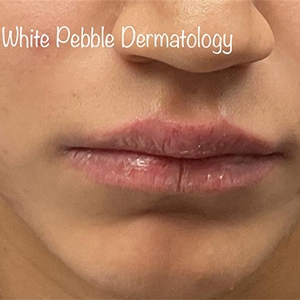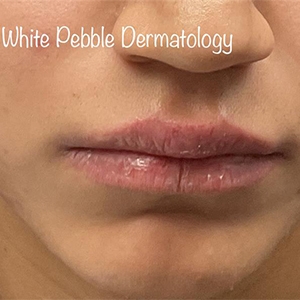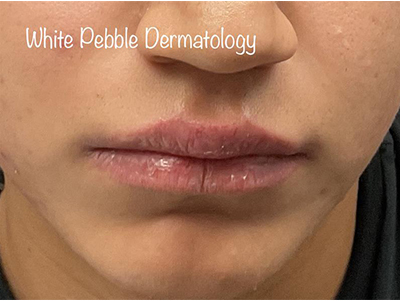
Dry, chapped lips are very common, but they do not have to be something you live with all winter. With afew simple changes at home, most people can get soft, comfortable lips again
1. What makes lips so dry?
The skin on your lips is thinner than the rest of your face and has no oil glands, so it loses moisture quickly and dries out easily. Cold weather, indoor heat, wind, sun exposure, and habits like licking or biting your lips all make dryness and cracking more likely.
2. Everyday habits that make chapped lips worse
Some everyday habits quietly keep your lips from healing. Licking, biting, or picking at your lips may feel soothing for a moment, but they actually strip away natural moisture and irritate the skin. Holding metal objects, like paper clips or jewelry, between your lips and frequently using strongly flavored or scented lip products can also trigger irritation or allergies.
3. Ingredients to avoid if your lips are sensitive
Many “medicated,” cooling, or flavored lip products can sting or tingle, which often means they are irritating your lips rather than healing them. If your lips are dry, sensitive, or allergy-prone, it is safer to avoid:
- Cooling or “tingly” ingredients: camphor, menthol, eucalyptus
- “Medicated” or exfoliating ingredients: salicylic acid, phenol (or phenyl derivatives)
- Fragrance and flavor:
- Any ingredient listed as “fragrance,” “parfum,” “aroma,” or “flavor”
- Mint (peppermint, spearmint, mentha species)
- Cinnamon (cinnamon oil, cinnamal, cinnamic aldehyde)
- Citrus oils (lemon, lime, orange, bergamot, etc.)
- Possible allergens for some people: lanolin, and chemical sunscreens such as octinoxate and oxybenzone
If your lips already sting or burn, even small amounts of these ingredients may keep them from healing
4. Ingredients that help lips heal
When your lips are dry or cracked, “boring” and simple is best. Look for fragrance-free and flavor-free products with short ingredient lists. Helpful ingredients to look for include:
- Barrier protectors (seal in moisture):
- White petrolatum (petroleum jelly)
- Mineral oil
- Dimethicone
- Moisturizers and barrier repair ingredients:
- Shea butter
- Castor seed oil
- Hemp seed oil
- Ceramides
- For daytime sun protection:
- Zinc oxide
- Titanium dioxide
These ingredients help lock in moisture, repair the skin barrier, and protect your lips from the environment.
5. How to use lip balms the right way
How you use your lip balm matters just as much as which one you choose. Apply a gentle, non-irritating lip balm or ointment several times during the day and always right before bed. For very dry or cracked lips, a thick ointment (like plain petrolatum-based products) usually works better than thin waxy sticks because it keeps moisture in for longer. Reapply more often in cold, windy weather or when you are spending a lot of time in dry indoor air.
6. Protecting your lips from the sun
Lips can sunburn and get long-term sun damage just like the rest of your skin. Sun damage can make lips drier, increase the risk of cold sores in people who are prone to them, and, over time, contribute to precancerous changes. During the day, use a lip balm with SPF 30 or higher that contains mineral sunscreens such as zinc oxide or titanium dioxide, and reapply every two hours when outdoors or after eating and drinking.
7. Helpful home tips
A few simple home steps can support healing and prevention:
- Drink enough water to stay well hydrated throughout the day.
- Use a cool-mist humidifier in your bedroom, especially in winter or if you breathe through your mouth at night.
- Avoid harsh scrubs or DIY lip exfoliants while your lips are chapped; these usually cause more irritation than benefit.
8. When to call White Pebble Dermatology
Most mild chapped lips improve within 2–3 weeks once you avoid irritants and follow a gentle routine. You should schedule an appointment with a board-certified dermatologist if:
- Your lips do not improve after 2–3 weeks of careful home care
- You have painful cracks, bleeding, or yellow crusts at the corners of your mouth
- You notice thick, scaly, or white patches on your lips that do not go away
These could be signs of allergy, infection, or precancerous changes that need professional evaluation.
White Pebble Dermatology is located in Columbia, MD, and is accepting new patients. To have your lips evaluated and receive a personalized treatment plan, please call (443) 535-6616 to schedule an appointment
Lip ingredients: what to look for vs what to avoid
| Category | Ingredients to look for (generally helpful) | Ingredients to avoid (more likely to irritate or trigger allergy) |
|---|---|---|
| Barrier and moisture | White petrolatum (petroleum jelly); mineral oil; dimethicone/td> | Drying alcohols (denatured alcohol, SD alcohol, isopropyl alcohol) |
| Soothing moisturizers / repair agents | Shea butter; castor seed oil; hemp seed oil; ceramides | Camphor; menthol; eucalyptus |
| Sun protection for lips | Zinc oxide; titanium dioxide (mineral/physical sunscreens) | Chemical sunscreens such as octinoxate, oxybenzone (for sensitive or allergy-prone lips) |
| Fragrance and flavor | “Fragrance-free”; “flavor-free”; no essential oils listed | Fragrance, parfum, aroma; “flavor”; mint oils; cinnamon; citrus oils; strong essential oil blends |
| Common allergen-type ingredients | Hypoallergenic, minimal-ingredient formulas | Lanolin (and lanolin alcohol) in people who are sensitive; certain preservatives or strong colorants |
| Texture / extras with damaged lips | Smooth balms and ointments with simple, bland bases | Harsh scrubs, gritty exfoliants; “plumping” ingredients like capsaicin that cause burning or stinging |
For sensitive or allergy-prone lips, a simple, fragrance-free ointment with only a few well-tolerated ingredients is often the safest starting point.
If your lips stay reactive despite making these changes, contact White Pebble Dermatology, Columbia, MD at (443) 535-6616 to schedule an appointment and discuss a customized treatment plan.
Visit https://www.whitepebbledermatology.com/ for details.
References:
- https://www.aad.org/public/everyday-care/skin-care-basics/dry/heal-dry-chapped-lips
- https://health.clevelandclinic.org/how-to-get-rid-of-chapped-lips
- https://my.clevelandclinic.org/health/diseases/22005-chapped-lips
- https://www.ashevillederm.com/derm-news-blog/7-ways-to-heal-and-prevent-dry-chapped-lips
- https://www.wederm.com/patient-library/actinic-cheilitis/
- https://www.medicalnewstoday.com/articles/319133
- https://www.doctorkatta.com/lip-allergic-contact-dermatitis
- https://ecolips.com/blogs/news/ingredients-to-avoid
- https://attitudeliving.com/blogs/lifestyle/lip-balm-ingredients-to-avoid
- https://www.drdennisgross.com/ingredients-to-avoid-in-lip-balm-and-lip-treatments.html