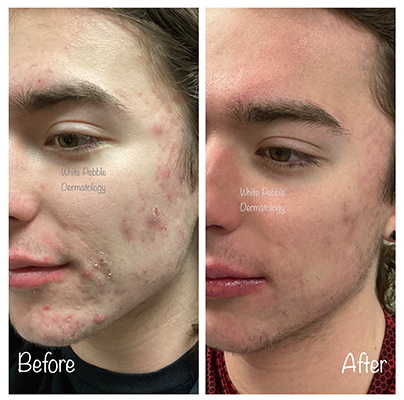
If you're struggling with acne in the Columbia, Maryland area, you're not alone. Acne is one of the most common skin conditions affecting people of all ages, and the good news is that professional acne treatment at White Pebble Dermatology can help you achieve the clear skin you deserve. This comprehensive guide explains what causes acne and explores the modern treatment options our dermatology specialists recommend to patients throughout Columbia and the surrounding communities in Maryland.
Understanding Acne: What Causes Acne Breakouts in Columbia, MD?
Acne develops through a combination of biological and environmental factors, rather than from a single cause. Understanding these factors is the first step toward effective treatment. At White Pebble Dermatology, our dermatology specialists assess each patient's unique acne triggers to create personalized treatment plans.
Sebum Overproduction and Hormonal Sensitivity
The first key factor in acne development is increased sebum (oil) production. Your sebaceous glands are sensitive to hormones called androgens, which signal your skin to produce excess oil. This hypersensitivity occurs naturally during puberty but can also happen in adulthood due to hormonal fluctuations, stress, or genetic predisposition.
Genetics play a significant role here, with heritability estimates ranging from 50% to 90%, meaning if your parents had acne, you're likely to develop it as well.
Follicular Clogging and Dead Skin Cell Buildup
The second critical factor is follicular hyperkeratinization - the abnormal accumulation of dead skin cells within hair follicles. These cells combine with sebum to form comedones, those blackheads and whiteheads that characterize acne. Dead skin cells trap oil and bacteria deep within the pore, creating conditions that promote acne development.
Bacterial Overgrowth Inside Clogged Pores
Inside these clogged, oxygen-free pores, Cutibacterium acnes (formerly known as Propionibacterium acnes) - a bacteria that naturally lives on your skin - thrives and multiplies. Certain strains of this bacteria have heightened capacity to trigger inflammation by stimulating immune cells to produce pro-inflammatory substances like interferon and interleukin-17, which intensify skin inflammation.
Inflammation: The Visible Stage of Acne
Your immune system responds to bacterial overgrowth by triggering an inflammatory cascade, resulting in the redness, swelling, and soreness characteristic of acne lesions. This inflammatory response involves increased production of inflammatory molecules throughout the affected area.
Hormonal Acne: A Special Consideration for Adult Acne in Columbia, MD
Hormonal influences are particularly important, especially for adult acne. Hormonal fluctuations during menstruation, pregnancy, menopause, and stress all increase androgen levels, which stimulate oil production and worsen acne. Women with polycystic ovary syndrome (PCOS) frequently experience hormonal acne, often along the jawline. At White Pebble Dermatology in Columbia, MD, we have extensive experience treating hormonal acne and can help identify whether your acne is hormonal in nature.
Additional Acne Triggers
Beyond primary mechanisms, several other factors can trigger or worsen acne: Highglycemic foods and dairy products can spike blood sugar levels and increase oil production. Stress elevates cortisol and androgens, perpetuating the acne cycle. Environmental factors like pollution exposure and seasonal humidity can increase acne severity. Certain medications, including corticosteroids and lithium, can trigger acne as a side effect.
Acne Treatment Options Available at White Pebble Dermatology
Modern dermatology offers a variety of effective treatment approaches. When you visit our Columbia, MD location, our experienced dermatology specialists will assess your specific acne type and severity to recommend the best treatment strategy for your needs.
Topical Acne Treatments
Topical medications are typically the first line of defense for mild to moderate acne at White Pebble Dermatology:
Retinoids and retinoid - like drugs - such as tretinoin (Retin-A), adapalene (Differin), and tazarotene (Tazorac) - prevent hair follicles from becoming clogged by promoting skin cell turnover. These are applied in the evening and are highly effective for preventing future breakouts, though results take 6-12 weeks to become apparent.
Benzoyl peroxide remains a gold standard treatment, working by killing acne - causing bacteria and reducing inflammation. It's often combined with antibiotics to prevent bacterial resistance.
Topical antibiotics like clindamycin, when combined with benzoyl peroxide, effectively reduce bacteria and inflammation.
Azelaic acid has emerged as an increasingly popular complementary therapy for acne management.
Salicylic acid and glycolic acid are chemical exfoliants that help unclog pores and remove dead skin cells, making them excellent for maintenance and prevention.
Oral Medications for Moderate to Severe Acne
For moderate to severe acne, our Columbia dermatology specialists may recommend oral medications:
Systemic antibiotics - particularly tetracyclines like doxycycline and minocycline - are typically the first choice for inflammatory acne. These target bacterial overgrowth and reduce inflammation throughout the body.
Oral contraceptives are effective for hormonally-driven acne in women, as they regulate hormone levels and reduce androgen sensitivity.
Anti-androgen medications like spironolactone help women whose acne stems from hormonal imbalances.
Isotretinoin (Accutane) is reserved for severe, treatment-resistant acne that causes scarring. This powerful medication requires careful monitoring due to potential side effects.
Professional In-OSice Acne Treatments at White Pebble Dermatology
Beyond topical and oral medications, our Columbia, MD dermatology office offers several advanced in-office treatments:
Chemical peels use solutions like salicylic acid, glycolic acid, or retinoic acid to exfoliate the skin and reduce acne severity. Repeat treatments maintain improvements.
Laser therapy and microneedling help improve the appearance of acne scars by stimulating collagen production.
Steroid injections into severe nodular or cystic lesions provide rapid improvement and decreased pain.
Your Comprehensive Acne Treatment Plan at White Pebble Dermatology
Successful acne treatment combines multiple strategies tailored to your specific situation.
Our dermatology specialists at White Pebble Dermatology in Columbia, MD recommend a holistic approach that includes:
Gentle skincare with non-comedogenic cleansers to prevent pore blockages. Lifestyle modifications including stress management, dietary adjustments, and regular exercise.
Professional treatments customized to your acne severity and type. Ongoing monitoring and adjustment of your treatment plan as needed.
Schedule Your Acne Consultation with White Pebble Dermatology in Columbia, MD
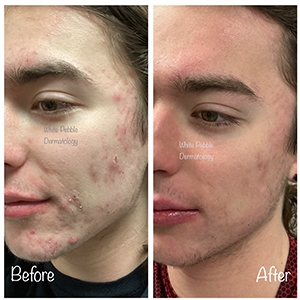
If you're ready to take control of your acne and achieve the clear, healthy skin you deserve, White Pebble Dermatology is here to help. Our experienced dermatology specialists serve patients throughout the Columbia, Maryland area and have a proven track record of successfully treating all types of acne, from mild to severe.
Treatment typically requires patience - most approaches take 6-12 weeks to show meaningful results - and consistency. The most important step is scheduling a consultation with a dermatology specialist who understands your individual skin type, acne severity, and underlying causes.
Ready to start your acne treatment journey?
Call White Pebble Dermatology today: (443) 535-6616
Schedule your acne consultation online: https://www.whitepebbledermatology.com/general-appointment-dermatologist-columbia-md/
We look forward to helping you achieve the clear, confident skin you deserve!